Helping South African expats and Australian families navigate financial complexity. I provide practical advice to help you build the life you really want.
Moving to Melbourne from South Africa: The Practical Arrival Checklist (2025 Edition)
A practical checklist for your first fortnight in Melbourne, covering transport, banking, phone connections and arrival admin. Written from my own experience of moving from South Africa.


A curated guide to your first 14 days, from a Financial Planner who has done the move himself.
Moving countries is one of the biggest life transitions you’ll make. While the financial side, including tax residency, asset repatriation and superannuation, can be complex, it’s often the small logistical hurdles that cause the most friction in those first few weeks.
I moved from South Africa to Melbourne myself, so I know the drill. To help you settle in smoother, I’ve curated this practical checklist of the ‘non-financial’ essentials you need to sort out in your first 14 days.
Part 1: The Immediate Essentials (Day 1 & 2)
These are the things you should try to sort out within 48 hours of landing.
1. Getting Connected (Mobile Plans)
Don’t lock yourself into a contract immediately. Prepaid or month-to-month SIMs are the best bridge while you settle. You can buy these at the airport, but you will often find better deals at a local supermarket (Woolworths/Coles) or newsagent.
- Telstra: Generally has the best coverage, which is important if you plan to travel regionally.
- Optus: Offers strong metro coverage and often has good value data packages.
- Vodafone: Often the most affordable option for city living.
2. Public Transport (Myki Card)
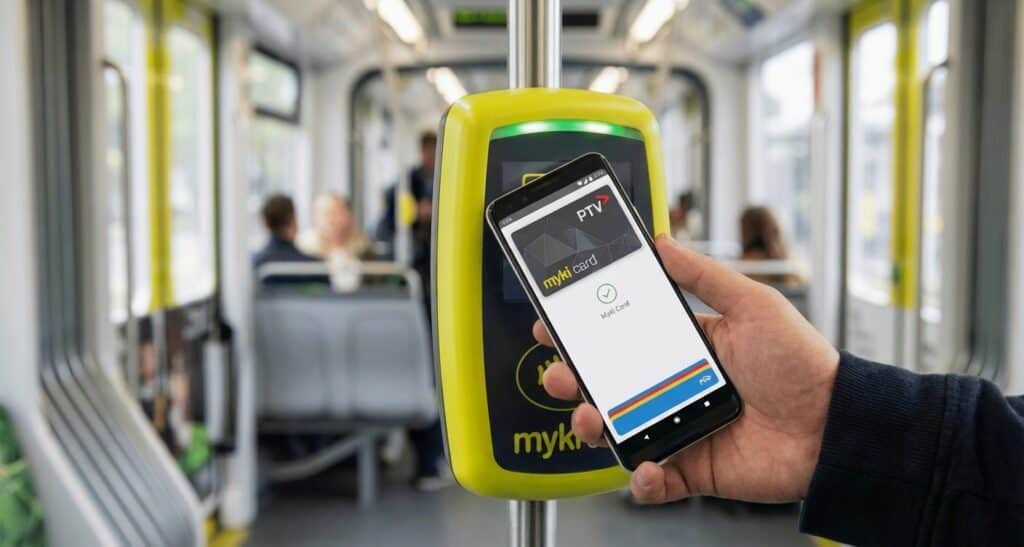
Myki is the “tap-on” card used for trains, trams, and buses in Melbourne.
- Android Users: You don’t need a physical card. You can load a “Mobile Myki” directly into your Google Wallet and tap your phone to ride.
- iPhone Users: Unfortunately, Myki is not yet available on Apple Wallet. You will need to buy a physical Myki card. However, you can download the PTV App on your iPhone to instantly top up your physical card by holding it to the back of your phone.
- For Students: Concession eligibility depends on the course, enrolment and residency or visa criteria. A university student card alone is not proof of entitlement. Check PTV’s tertiary student eligibility and required evidence before buying a concession ticket.
- Guide: Public Transport Victoria (PTV) Myki Guide
3. Getting Around Without a Car
It may take a few weeks to buy a car. (Or, like me, you might find you don’t actually need one for a few years). In the meantime:
- Rideshare: Download DiDi (compare the current fare before booking) and Uber as your standard options.
- Taxi: Download 13Cabs as a backup. Taxis can use bus lanes (rideshares cannot), which is helpful in peak hour traffic.
4. Food & Groceries
Setting up a new kitchen takes time.
- Delivery: Woolworths Delivery Unlimited is one option to compare when you don’t have a car to carry heavy bags. Check its current subscription fees, minimum order and delivery terms before signing up.
Part 2: The Admin (Week 1)
Once you have slept off the jet lag, tackle these administrative tasks.
5. Apply for Your Tax File Number (TFN)
Your TFN is your personal reference number in the tax system. You need it for work, banking, and superannuation.
- Important: You can only apply once you are physically in Australia.
- Link: Apply online via the Australian Taxation Office (ATO)
- Timing: It usually arrives in the post within 28 days.
6. Enrol in Medicare
If your visa grants you access to the public health system (e.g., Permanent Residency or countries with Reciprocal Health Care Agreements), enrol as soon as possible.
- Link: Medicare Enrolment Guide
- Bring: Your passports, visa grant notice, and proof of your Melbourne address.
7. Banking Identity Check
Most South Africans set up their accounts online before flying. If you haven’t yet, both CBA and ANZ are very expat-friendly.
Next Steps upon arrival: If you opened your account from overseas, it is likely “frozen” (deposit only) until you identify yourself.
- Action: Visit a local branch with your passport.
- Tax Tip: Once your TFN arrives in the mail, be sure to log in to your banking app and add it to your profile. If you don’t, the bank is required to withhold tax on any interest earned at the highest marginal rate.
8. Converting Your South African Driver Licence
If you live in Victoria, or plan to live here for six months or more, check VicRoads’ requirements for converting your overseas licence within six months of living here.
- Check the tests you need: Do not assume a South African licence exempts you from driving tests. VicRoads currently lists South Africa as a non-recognised country. Use its overseas licence conversion guide to check the requirements for your circumstances before booking.
- Link: VicRoads: Convert Overseas Licence
9. Finding a GP (Doctor)
Check the clinic’s website or contact it directly for booking options and fees. Online booking services can also help you find an appointment.
- App: Download HotDoc.
- How to use it: Enter your postcode to find clinics nearby. You can filter by “Bulk Billing” (no out-of-pocket cost) if eligible, or find clinics with availability today.
10. Housing & Utilities

- Rentals: The two major platforms are Realestate.com.au and Domain. I recommend downloading both apps to ensure you don’t miss listings.
- Utilities: When you find a home, use a comparison service to ensure you aren’t overpaying for energy or internet. I have a Tribeca Bill Comparison Guide that can help you compare providers easily.
Part 3: Beyond the Logistics

Sorting out your SIM card and driver’s licence is just the first step. The next is getting your financial house in order. My guides to your first Australian payslip, insurance premiums and my Medicare experience explore some of those next steps.
Australia’s financial system is vastly different from South Africa’s, and the learning curve can be steep. From tax residency to repatriating assets, the choices you make early on will shape your financial future for years to come.
As a Certified Financial Planner® who has made this move myself, I work with individuals and families to make sure those decisions are intentional, not accidental.
Once the arrival admin is under control, it helps to have a plan for the life you want to build here. If you would like support with your finances in Australia, start a conversation with me. I have made the move myself and understand how much there is to work through.